Spring Fatigue, Hidden Infections and How to Support Your Immune System
After a long, dark winter many people notice the same pattern: as soon as spring arrives, they feel exhausted, catch every cold going around, or old health issues suddenly flare up. It is easy to blame the weather or “bad luck”, but there is a clear biological story behind this experience.
Months of stress, poor sleep, low sunlight and nutrient depletion can quietly weaken the immune system. In this state, bacteria and viruses find more opportunities to attack – and existing chronic conditions can suddenly get worse.
In this article you will learn:
Why infections often get worse in late winter and early spring
Which chronic diseases make you more vulnerable to bacteria and viruses
How low immune function shows up in everyday life
Which nutrients and natural extracts can support normal immunity
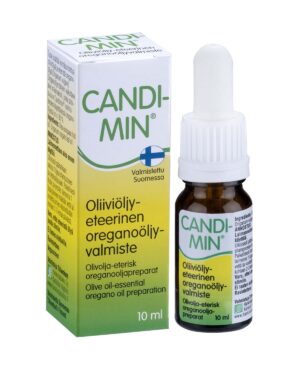
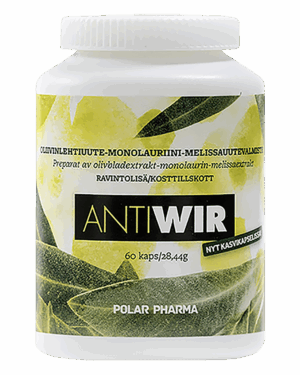
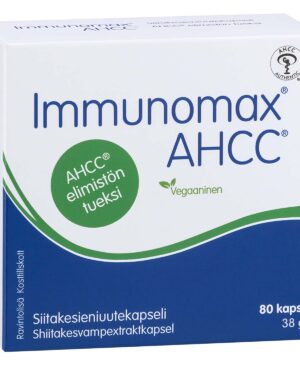
How products like Immunomax AHCC (80 capsules), AntiWir (60 capsules) and Candimin (10 ml) from immunesupp.com can be part of a sensible spring immune plan
This content is for educational purposes only and is not a substitute for personal medical advice. Always consult your doctor, especially if you take prescription medication, are pregnant, or have a chronic illness.
Why Infections Flare Up When You Are Tired
The fatigue–infection cycle
Most of us have noticed that when we are run‑down, we get sick more easily. This is not just a feeling; it has been demonstrated in controlled studies. When people are under heavy stress and short on sleep, their immune cells respond less effectively to viruses and bacteria, and they catch colds more easily when exposed.
Several mechanisms drive this:
Stress hormones – Ongoing stress raises cortisol and adrenaline. In small bursts these hormones are helpful, but when they stay high, they reduce the activity of immune cells that recognize and kill infected cells.
Poor sleep – Deep sleep is when the body “programs” immune memory. Chronic sleep deprivation lowers the number and activity of natural killer (NK) cells and weakens the antibody response to viruses.
Nutrient depletion – During winter we often eat fewer fresh foods and spend less time in sunlight. Vitamin D, vitamin C, zinc and other immune‑related nutrients can drop below optimal levels, which quietly erodes the body’s defences.
By early spring this long period of stress and depletion has accumulated. At the same time, many respiratory viruses are still circulating. The end result: a tired immune system that struggles to handle what would normally be mild exposures.
When Chronic Conditions Lower Immune Resilience
Some health conditions change the way the immune system works and create a background of chronic inflammation. In this context, even ordinary infections can become more severe or linger longer than they should.
1. Diabetes and prediabetes
Diabetes is one of the clearest examples of a disease that increases infection risk. High blood sugar:
Damages small blood vessels and nerves, reducing circulation to tissues
Impairs the function of neutrophils and macrophages – the white blood cells that engulf bacteria
Slows down wound healing and tissue repair
Because of this, people with diabetes are more prone to:
Bacterial skin infections and slow‑healing wounds
Urinary tract infections
More serious complications from respiratory infections such as pneumonia
Prediabetes, where blood sugar is chronically higher than normal but not yet in the diabetic range, may also contribute to increased inflammation and reduced immune efficiency.
2. Chronic lung diseases (asthma, COPD, chronic bronchitis)
The lungs are constantly exposed to particles, allergens, bacteria and viruses from the outside world. In asthma and chronic obstructive pulmonary disease (COPD), the airways are inflamed, narrowed and often filled with excess mucus. This environment:
Makes it easier for viruses and bacteria to attach to the airway lining
Traps pathogens that a healthy lung would clear quickly
Turns each new infection into a trigger for a flare‑up or exacerbation
Repeated infections can further damage lung tissue, creating a vicious circle: worse lungs lead to more infections, which lead to even more damage.
3. Chronic fatigue, post‑viral syndromes and autoimmunity
Chronic fatigue syndromes and long‑lasting post‑viral states (such as some forms of Long COVID) often involve a hypersensitive but ineffective immune system. The body may release large amounts of inflammatory chemicals (cytokines) in response to minor triggers, causing fatigue, pain and brain fog, while still struggling to clear certain pathogens completely.
Autoimmune conditions add another layer of complexity. In autoimmunity, parts of the immune system are overactive against the body’s own tissues but may be less efficient against real invaders. Many people with autoimmune disease also take immune‑suppressing medication, increasing vulnerability to infections. In these cases, any supplement that stimulates the immune system must be discussed carefully with a doctor.
4. Recurrent fungal and bacterial overgrowth
When immune surveillance is weakened – because of antibiotics, high sugar intake, high stress, or chronic illness – opportunistic organisms can overgrow:
Candida in the gut and on mucosal surfaces, leading to bloating, thrush or recurrent yeast infections
Pathogenic bacteria in the sinuses or airways, causing chronic sinusitis, recurring sore throats or constant mild bronchitis
These overgrowths are not always dramatic, but they constantly “poke” the immune system and can flare into more obvious infections when conditions are right.
How to Recognize Low Immune Function in Everyday Life
Low immunity does not always show up as dramatic illness. Often it is a pattern that builds over months or years. Signs that your defences may be struggling include:
You catch almost every cold or flu going around
Infections hit you harder and last longer than they do for friends or family
You often need antibiotics for problems like sinusitis, bronchitis or urinary infections
Wounds heal slowly or tend to get infected
You feel chronically tired, even when blood tests look “normal”
None of these signs proves that the immune system is weak on its own. However, if several apply to you – especially together with chronic disease – it is worth discussing immune health with your doctor and looking at supportive lifestyle and nutrition strategies.
Foundational Strategies to Support Immunity
Before talking about specific supplements from immunesupp.com, it is important to cover the basics that make any product more effective.
1. Sleep and daily rhythm
Aim for 7–9 hours of regular sleep. Going to bed and waking up at roughly the same time helps the body regulate hormones and repair tissues. Avoid heavy meals, alcohol and blue light from screens late in the evening; they all disturb deep sleep.
2. Blood sugar and weight
If you have prediabetes or diabetes, working with your healthcare team on blood sugar control is one of the best immune investments you can make. Stable blood sugar reduces chronic inflammation and creates a much less attractive environment for pathogens.
3. Movement and breathing
Moderate, regular exercise improves circulation, lung function and the movement of lymph – the fluid that carries immune cells. Brisk walking, gentle strength work and breathing exercises can all support lung clearance, especially in people with chronic respiratory problems (always within medical advice).
4. Nutrient‑dense diet
A diet rich in vegetables, berries, lean protein, healthy fats and fermented foods naturally supplies vitamins, minerals and antioxidants that immune cells rely on. In real life, diet is rarely perfect – especially in winter – which is where targeted supplementation comes in.
Evidence‑Based Nutrients and Extracts for Immune Support
Vitamin D – the winter–spring essential
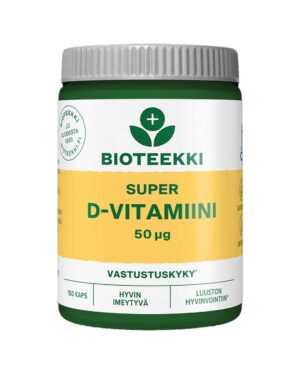
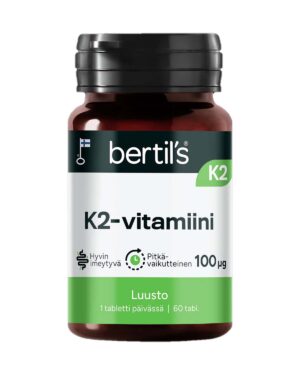
Vitamin D plays a central role in immune regulation. Low levels are linked with increased risk of respiratory infections, and several clinical trials suggest that daily or weekly vitamin D supplementation can reduce the incidence of acute respiratory tract infections, particularly in people who are deficient.
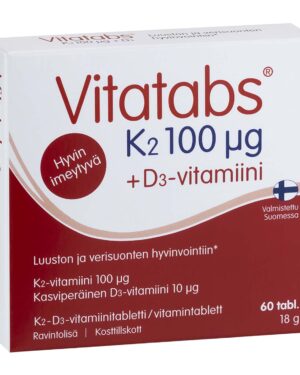
For Nordic or Northern European residents, vitamin D levels are often lowest at the end of winter, just when spring infections are still common. Offering a high‑quality vitamin D3 product (possibly combined with vitamin K2) on immunesupp.com and referencing its role in immune function is a natural fit.
Vitamin C and zinc
These classic immune nutrients help white blood cells generate reactive oxygen species to kill pathogens and support the integrity of skin and mucous membranes. While they will not prevent every cold, good intake can shorten duration and reduce severity when taken at the onset of symptoms. Combining them in one product makes daily use simple.
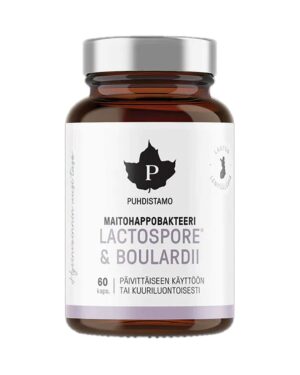
Probiotics and gut health
Around 70% of immune cells are associated with the gut‑associated lymphoid tissue. Beneficial bacteria help train the immune system to respond appropriately to threats while ignoring harmless substances. Selected strains have been shown to reduce the incidence and duration of some respiratory infections in both children and adults.
A multi‑strain probiotic specifically positioned for “immunity and gut balance” would complement the immune product line alongside Immunomax AHCC, AntiWir and Candimin.
What is AHCC?
AHCC (Active Hexose Correlated Compound) is derived from the mycelia of shiitake‑related mushrooms. It contains a unique profile of polysaccharides and other bioactive substances that influence immune cell activity.
Research in humans and animals has shown that AHCC can:
Increase the activity of natural killer (NK) cells, which act as a rapid response team against virus‑infected and abnormal cells
Support the function of T cells, which coordinate longer‑term immune responses
Modulate cytokines – signalling molecules that help immune cells communicate – promoting a more effective but balanced response
Some clinical studies in people with weakened immunity, such as patients undergoing treatments that stress the immune system, report improvements in immune markers after AHCC supplementation.
Immunomax AHCC on immunesupp.com
Immunomax AHCC, 80 capsules offers this well‑researched ingredient in a convenient dose. It is designed for:
Adults who want to support normal immune function during demanding periods
People who feel run‑down at the end of winter and want additional support alongside lifestyle changes
Those recovering from infections, after discussing use with their doctor
A practical usage example:
“During late winter and early spring, many customers like to take Immunomax AHCC for 1–3 months as part of their immune support routine. It can be combined with vitamin D, a quality multivitamin and good sleep habits to help the immune system stay alert.”
While AHCC primarily targets deeper immune cell function, many people also want a simple, all‑in‑one “daily defence” formula. This is where AntiWir, 60 capsules fits in.
Extracts of olive leaves and lemon balm with monolaurin
Developed and manufactured in Finland, under the guidance of health professionals.
Well formulated herbal formula, ingredients that are shown to be effective in scientific studies.
AntiWir is:
A practical option for busy people who want their core immune nutrients in one capsule
Especially suitable during autumn‑to‑spring “infection season”, for travellers, teachers, health workers and parents of small children
A product that works well alongside more targeted options like Immunomax AHCC or probiotics
“AntiWir is not a medicine, but a carefully balanced combination of Olive leaves and lemon balm extracts with monolaurin that support normal immune function and help your body be prepared when seasonal viruses are circulating.”
Why oregano oil?
Oregano essential oil, particularly when standardized for carvacrol and thymol, has been widely studied in laboratory settings. It has shown the ability to:
Damage the cell membranes of many bacteria, including some resistant strains
Disrupt biofilms, the protective layers bacteria create on surfaces and mucous membranes
Reduce growth of certain yeasts and fungi
These actions make oregano oil an interesting tool for supporting microbial balance in the gut and upper respiratory tract when used correctly.
Using Candimin wisely
Candimin, 10 ml provides oregano oil in a concentrated form. Because essential oils are powerful, it is important to stress safe use:
Always follow the dilution and dosage instructions on the label
Do not use undiluted oil directly on sensitive mucous membranes
People with gastrointestinal ulcers, serious gut diseases, pregnancy, breastfeeding women and small children should only use oregano oil under professional guidance
Candimin can be suggested for short‑term use during periods of heavy microbial exposure or as part of a targeted protocol for people prone to overgrowths, in cooperation with a health practitioner
It complements broader immune products by focusing specifically on the microbial environment
What Else Could Support the Immune Function
1. Winter–Spring Immune Pack
Vitamin D3 + K2 (if not already available)
AntiWir for daily baseline support
Immunomax AHCC for those needing deeper, cell‑level support
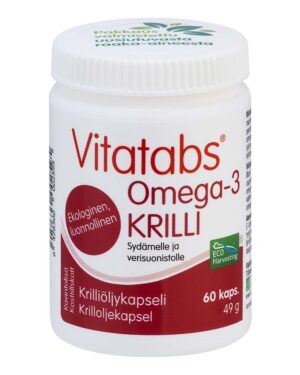
Optional: omega‑3 or a gentle magnesium for stress and sleep
2. Gut & Microbial Balance Pack
Probiotic with immune‑supporting strains
Candimin for short‑term microbial balance
Optional: a gentle gut‑soothing formula (e.g., with chamomile, slippery elm or aloe, depending on regulations)
3. Chronic‑Condition Friendly Options
For customers with diabetes, autoimmune disease or chronic fatigue:
Sugar‑free, low‑additive immune products
Clear dosage and interaction guidelines should always be obtained after speaking with your physician.
Read our post on safely combining vitamins and medications as well.
-
-
-
-
-13%
-
-13%
-

🛡️ Your Spring Immune Health Checklist
Answer these 7 questions honestly to get your personalized immune resilience score and targeted recommendations from immunesupp.com
Your Immune Resilience Score
Max score: 21 points