A mild fever that lingers, dizziness that comes and goes, digestive trouble that never fully settles, and body aches that appear later can feel unrelated at first. Yet when these symptoms happen together for months, they often signal that the body is under ongoing strain and needs closer attention, not just another quick fix. That is why early support for overall well-being matters: it may help people stay more resilient while they and their doctors continue looking for the real cause.
This article is not a diagnosis and should not replace medical care. It is a practical, science-informed discussion of how persistent, low-grade symptoms can build into a larger health burden, and how nutrition, sleep, stress management, and targeted supplements may help support the body earlier in the process.
A story that sounds “small” at first
The story begins with a person who felt dizzy and had a raised temperature of around 37.0 to 37.6 Celsius for more than half a year. She also had episodes of bowel dysfunction, poor digestion, and a sore throat from time to time. At first glance, each symptom could seem minor on its own. But together, and over such a long period, they suggested that something deeper was affecting the body’s balance.
She was advised to take antibiotics, and later another doctor prescribed another antibiotic. In some cases, repeated antibiotic use can disrupt the gut microbiome, which plays an important role in digestion and immune regulation. Research has also linked gut health and immune function closely, which is one reason digestive symptoms can become part of a broader pattern rather than an isolated issue. Over time, her condition worsened, leading to bowel inflammation, frequent stools, and then pain in the joints and muscles. Tests still did not reveal a clear culprit, which is unfortunately common in complex, overlapping inflammatory conditions.
The important lesson from this story is not that every mild symptom becomes serious. It is that the body often gives warning signs early, and when those signs are ignored or treated only symptom by symptom, the underlying burden can grow.
Why “overall well-being” matters
The immune system does not operate in isolation. It is influenced by gut function, nutrient status, sleep, stress, hydration, and daily habits. Vitamins and minerals are involved in maintaining the normal function of immune cells, and a balanced diet remains the foundation of support.
Vitamin D is especially relevant because it has recognized roles in immune regulation, and low vitamin D status has been linked in studies to infection risk and some autoimmune and inflammatory conditions. Vitamin C is another core nutrient; immunesupp.com notes that it contributes to normal immune function and acts as an antioxidant, while broader medical sources note that it may help shorten some respiratory infections in certain settings. Zinc, selenium, and vitamin A also play important roles in immune defense and recovery.
This does not mean supplements “cure” complex illness. It means that when the body is under stress, correcting nutritional gaps and supporting normal physiology can be a sensible part of prevention and recovery.
Gut health and immune balance
The gut is one of the most important places to watch when symptoms start stacking up. Digestive disturbance, frequent stools, inflammation, and poor nutrient absorption can all affect how the body feels day to day. A healthy gut environment helps the immune system function more appropriately, while ongoing gut irritation can leave a person feeling weak, reactive, or inflamed.
This is where probiotics and other microbiome-supportive strategies may become relevant. Evidence from reputable medical sources shows that probiotics can influence gut and immune function, although the effects depend heavily on strain, dose, and the individual’s condition. Foods rich in fiber, fermented foods, hydration, and avoiding unnecessary medication exposure also matter.
For readers of a supplement brand site, this is an important message: if digestion is repeatedly off, the goal is not to push harder with stimulants or “stronger” products. The better strategy is to support balance, nutrient intake, and the gut barrier while the root cause is investigated.
Why repeated antibiotics can be a turning point
Antibiotics can be life-saving and are sometimes necessary. But repeated or unnecessary antibiotic use may also disturb normal gut flora and contribute to digestive problems, which in turn can influence overall wellbeing. That is why many clinicians now emphasize careful use, clear indications, and follow-up if symptoms continue after treatment.
In the story above, the timeline suggests that after antibiotics, bowel inflammation and frequent stool became more prominent. That sequence does not prove cause and effect, but it is clinically plausible that the gut ecosystem was stressed. When that happens, people may become more vulnerable to low energy, poorer digestion, and slower recovery from everyday strain.
The broader takeaway is straightforward: medications have their place, but they work best when paired with a long-term plan for resilience, not just short-term symptom suppression.
Supplements that may help early
Immunesupp.com highlights several categories that fit an early-support approach: vitamin C, vitamin D, zinc, selenium, vitamin A, probiotics, beta-glucans, mushrooms, garlic, elderberry, and other antioxidant or immune-support products. These are not all equally relevant for every person, and some have stronger evidence than others, but they can be organized into practical groups.
Foundational nutrients
Vitamin D is often the first nutrient to consider, especially in Nordic countries or for people who spend little time outdoors. Evidence reviews show vitamin D has a real role in immune function, and supplementation is recommended for people who are deficient or at higher risk of deficiency. Vitamin C is another basic support nutrient; immunesupp.com states that it supports immune cells and antioxidant defenses, and medical sources note that it may reduce the duration and severity of some respiratory infections.
Zinc is also important, especially when early immune stress or frequent colds are a concern. Some medical sources note that zinc may reduce the duration of common cold symptoms when used early. Selenium and vitamin A can also matter when the diet is limited or immune stress is ongoing.
Gut-supportive options
Probiotics are especially relevant when digestion is unstable. Because the gut and immune system are linked, supporting the microbiome can be a meaningful part of a preventive strategy, particularly after antibiotic exposure or when bowel function is not normal. Products such as lactic acid bacteria blends, prebiotic combinations, and other microbiome-support formulas fit this logic well.
This is not about taking dozens of products at once. It is about choosing the right few support tools based on the body’s needs.
Plant-based immune support
Immunesupp.com also includes products such as echinacea, elderberry-style support, garlic, beta-glucans, mushrooms, and other botanical or functional ingredients. Some of these ingredients have promising evidence for supporting upper respiratory immune defenses, though the quality of evidence varies.
For example, echinacea is commonly used for throat and cold support, while beta-glucans and certain mushroom compounds are studied for immune modulation.
AHCC is another ingredient featured on the site. It is often marketed for immune support, and some research has explored its immunomodulatory potential, but it should be presented carefully and without exaggerated claims. In an evidence-based article, it is best framed as a specialized option rather than a universal solution.
What science supports most strongly
The strongest general evidence is not for a single “super supplement.” It is for correcting deficiencies and supporting the body with a solid baseline of nutrition. Vitamin D has some of the clearest scientific backing for immune relevance, especially in deficient populations. Vitamin C, zinc, and probiotics also have practical evidence in selected situations, especially when used early and appropriately.
Medical sources also emphasize that supplements work best alongside sleep, exercise, balanced meals, weight management, and stress reduction. This matters because persistent inflammation and fatigue rarely improve through supplements alone. The body needs a system-wide approach.
That is also the SEO-friendly message readers search for: not “magic cure,” but “how to support immune system early,” “how to support gut health after antibiotics,” and “what supplements may help when body feels off.”
Warning signs not to ignore
Even if the article is about prevention and support, it should also make clear that persistent symptoms need medical follow-up. A low-grade temperature for months, ongoing dizziness, repeated bowel changes, joint pain, muscle pain, and a feeling that things are progressively worsening are not “just normal stress.” They deserve evaluation by a clinician, especially if there is weight loss, blood in stool, night sweats, worsening weakness, or severe pain.
The safest message is this: supplements can support wellbeing, but they are not a substitute for diagnosis. Inflammation, infection, autoimmune conditions, bowel disorders, and other causes can look similar at the beginning.
A sensible early-support routine
A practical routine for someone who feels “not quite right” can be simple. First, focus on hydration, regular meals, and enough protein and fiber. Second, prioritize sleep and reduce unnecessary stressors where possible. Third, consider targeted support such as vitamin D, vitamin C, zinc, and probiotics based on diet, lifestyle, and medical advice.
If bowel symptoms are present, it is reasonable to be more cautious and more structured. Start with one change at a time, track symptoms, and avoid stacking many supplements at once. If the body is already inflamed, the goal is steadiness rather than intensity.
A useful example would be: a person with winter fatigue, poor diet, and digestive discomfort might begin with a vitamin D supplement, a modest vitamin C product, and a probiotic, while also improving sleep and simplifying meals. That is much more defensible than randomly taking multiple high-dose products.
What immunesupp.com can offer
On immunesupp.com, the supplements category includes vitamins A, C, D, zinc, selenium, probiotics, and broader immune-support products, along with botanicals and antioxidant options. The site also emphasizes Nordic sourcing and practical support for immune health.
Supplements can be a part of a careful, stage-based strategy. Early support can mean nutrient correction, gut support, and immune balance before symptoms escalate. Later support may require medical treatment, but prevention is often the smarter and gentler place to begin.
Conclusion for readers
The real lesson in this story is that health problems rarely start dramatically. More often, they begin as scattered signals: low-grade fever, dizziness, digestion changes, sore throat, poor recovery, and then gradually more pronounced inflammation. Paying attention early can make a real difference.
The message in the article is simple and responsible: support the body before it is overwhelmed, choose evidence-based supplements carefully, and treat persistent symptoms as something worth investigating, not ignoring. A thoughtful combination of nutrition, gut support, and targeted supplementation may help preserve wellbeing while medical causes are being explored.
Examples of supportive products from immunesupp.com
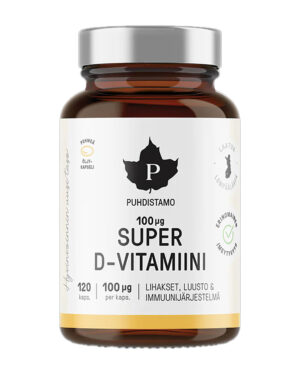
For people who feel constantly “off” but have no clear diagnosis yet, a sensible starting point may include a strong vitamin D3 supplement such as Super vitamin D 100 µg, a comprehensive multivitamin like Multi-Vita minerals and vitamins complex, and a Nordic probiotic from the Gut health probiotics range.
For those with frequent sore throats and cold-like symptoms, Echinacea immune support (Echinasan) can be considered. For more persistent fatigue and immune stress, some people explore AHCC-based products such as Immunomax, ideally together with medical guidance.
Core “early support” stack
- Super vitamin D 100 µg (4,000 IU) – Strong vitamin D3 with some cod liver oil (A + D + small amount of omega-3). Good for people with prolonged fatigue, low-grade inflammation, and possible deficiency, especially in Nordic conditions.
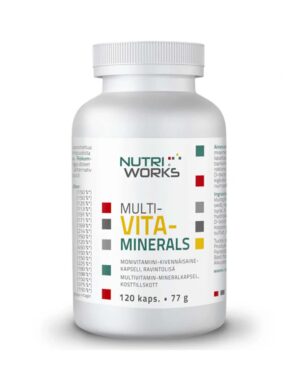
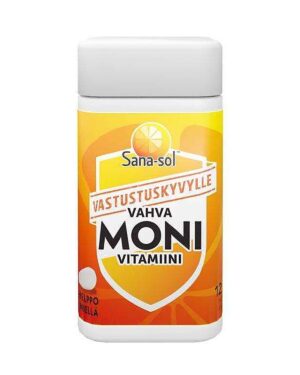
- Multi-Vita minerals and vitamins complex (120 caps) – Broad multivitamin/mineral with vitamins B6, B12, C, D, E, zinc, and selenium that support normal immune function, energy metabolism, and protection against oxidative stress.
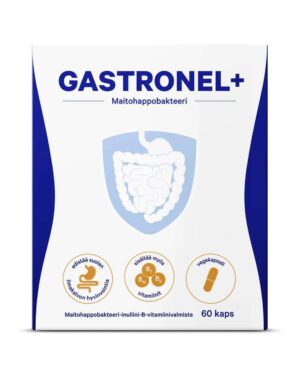
- Gut health probiotics – Use a Nordic probiotic from the “Gut health probiotics” range to support microbiome balance after antibiotics and frequent stools.
Targeted immune & gut support
- Echinacea immune support (Echinasan, 100 ml) – Echinacea purpurea extract traditionally used for sore throat, colds, and upper respiratory support; fits the story’s early throat symptoms and immune strain.
- Immunomax (AHCC, 80 caps) – AHCC-based immune-modulating supplement discussed on the site in the context of chronic fatigue and immune support; “more advanced” option for persistent immune stress.
Optional background support
- Strong multivitamins (60 caps) – Vegan multivitamin with vitamins A, D, C, B-complex, zinc, iron, selenium, and iodine; a simpler daily base if the reader prefers a lighter formula.
- Omega-3 / cod liver oil type products – The vitamin D capsule already includes small EPA/DHA amounts; you can also link to the general omega-3 or cod liver oil range for broader anti-inflammatory and gut–immune support.
Relevant diagnostics: where to start when gut, joints, and whole-body symptoms overlap
If someone has persistent indigestion, frequent stools (sometimes with blood), dizziness, knee pain, and sudden pains in the neck, perineum, or heel, the picture is no longer “just a tummy bug” or “simple tiredness.”
These symptoms together can point to a systemic inflammatory or rheumatic process, such as inflammatory bowel disease (IBD) with associated arthritis or another form of spondyloarthritis. That is why early, structured diagnostics matter: they can clarify whether the problem is mainly gut-driven, joint-driven, or part of a broader immune condition.
Below is a practical, step-by-step outline of where to start and what to discuss with a doctor.
- Start with a thorough medical history and symptom timeline
The first and most important “test” is a careful history. A clinician should ask about:
- How long the diarrhea, abdominal pain, and blood in stool have been present (chronic diarrhea is typically defined as lasting more than 4 weeks).
- Whether there is nocturnal diarrhea, abdominal pain at night, weight loss, feverish feelings, or mouth sores (aphthous ulcers), which are “red flags” for IBD.
- The pattern of joint pain: which joints are involved (knees, heels, neck, perineum), whether there is morning stiffness, and whether pain moves around or stays in the same place.
- Any family history of psoriasis, IBD, ankylosing spondylitis, or other autoimmune diseases, which increases the likelihood of a rheumatic condition.
- Recent antibiotic use, infections, travel, diet changes, and other triggers that could affect the gut.
This history helps distinguish between functional disorders (like irritable bowel syndrome) and inflammatory or autoimmune conditions that require different treatment.
- Basic laboratory tests: look for inflammation, anemia, and organ function
Blood and urine tests give the first objective clues about what is happening in the body. Typical initial labs include:
- Complete blood count (CBC) – To check for anemia (low hemoglobin) from chronic blood loss in the gut, and for signs of infection or inflammation (elevated white blood cells).
- C-reactive protein (CRP) and erythrocyte sedimentation rate (ESR) – General markers of inflammation; often elevated in active IBD and inflammatory arthritis.
- Comprehensive metabolic panel (CMP) – To assess liver and kidney function, electrolytes, and blood sugar, which can be affected by chronic inflammation or dehydration from frequent stools.
- Iron studies and ferritin – Low iron with low ferritin suggests chronic blood loss; high ferritin can indicate inflammation.
- Thyroid function tests (TSH, free T4) – Because thyroid problems can cause fatigue, dizziness, and bowel changes, and should be ruled out.
These tests do not diagnose a specific disease by themselves, but they show whether the body is under systemic stress and whether there is ongoing blood loss or inflammation.
- Stool tests: evaluate gut inflammation and infection
Because frequent stools and blood in stool are central symptoms, stool testing is essential. A doctor may order:
- Fecal calprotectin or lactoferrin – Markers of intestinal inflammation; high levels strongly suggest IBD rather than simple functional diarrhea.
- Stool culture and pathogen panel – To rule out bacterial, viral, or parasitic infections that can mimic or worsen IBD-like symptoms.
- Occult blood test – If visible blood is inconsistent, this can confirm ongoing microscopic bleeding in the gut.
If calprotectin is clearly elevated and infection is ruled out, the likelihood of IBD increases, and referral to a gastroenterologist becomes more urgent.
- Imaging and specialist evaluation for joints and spine
When joint and spine symptoms are present, especially with heel pain (enthesitis), neck pain, or perineal discomfort, a rheumatology assessment is important. Key elements include:
- Physical examination of joints and entheses – The doctor will look for swollen joints, limited range of motion, tenderness at tendon insertions (like the Achilles tendon or plantar fascia), and signs of sacroiliac joint involvement (lower back/buttock pain).
- X-rays of pelvis and spine – To check for sacroiliitis or changes typical of spondyloarthritis, such as erosions or fusion in advanced cases.
- MRI of sacroiliac joints or spine – More sensitive than X-ray in early disease; can show active inflammation before structural damage is visible.
These investigations help determine whether the joint symptoms are inflammatory (rheumatic) rather than mechanical or degenerative.
- Endoscopy and colonoscopy: direct look at the gut lining
For anyone with chronic diarrhea and blood in stool, endoscopic evaluation is often the definitive step. A gastroenterologist may recommend:
- Colonoscopy with biopsies – To visualize the colon and terminal ileum, look for ulcers, inflammation patterns, and take tissue samples for histology. This is the gold standard for diagnosing ulcerative colitis and Crohn’s disease.
- Upper endoscopy (gastroscopy) – If there is significant indigestion, nausea, or upper abdominal pain, to check for inflammation in the stomach and duodenum.
Biopsy results can confirm IBD, rule out other causes (like microscopic colitis), and guide treatment.
- Autoimmune and genetic markers (when indicated)
Depending on the clinical picture, additional tests may be considered:
HLA-B27 genetic test – Often positive in people with spondyloarthritis and IBD-associated arthritis; supports the diagnosis but is not definitive on its own.
Autoantibody panels – Such as ANA, RF, or anti-CCP, if rheumatoid arthritis or other autoimmune diseases are suspected.
Vitamin D level – Because deficiency is common in IBD and can worsen fatigue, bone health, and immune function; supplementation may be needed.
These tests refine the diagnosis and help tailor long-term management.
- Red flags that require urgent attention
Some symptoms should never be ignored or “watched for a while.” Urgent medical evaluation is needed if any of the following occur:
- Increasing or heavy rectal bleeding, black tarry stools, or signs of significant blood loss (dizziness, fainting, rapid heartbeat).
- Severe abdominal pain, high fever, or signs of dehydration (very dry mouth, minimal urine, confusion).
- Rapidly worsening joint pain, inability to walk, or new neurological symptoms (numbness, weakness, bladder/bowel control issues).
- Unexplained weight loss, night sweats, or persistent low-grade fever over several weeks.
These can indicate severe inflammation, infection, or complications that need immediate care.
Putting it together: a practical first-visit plan
For someone with the described symptoms, a reasonable starting plan with a primary care doctor or gastroenterologist might look like this:
- Detailed history and physical exam, including joint and spine assessment.
- Blood tests: CBC, CRP/ESR, CMP, iron studies, ferritin, TSH, and vitamin D.
- Stool tests: fecal calprotectin, pathogen panel, and occult blood.
- Referral to gastroenterology for colonoscopy if calprotectin is elevated or red flags are present.
- Referral to rheumatology if inflammatory joint or enthesis symptoms are clear, especially with HLA-B27-associated features.
- Imaging (X-ray or MRI) of sacroiliac joints/spine if axial (back, neck, perineal) symptoms are prominent.
This structured approach helps move from “something is wrong” to a clearer understanding of what is driving the symptoms, so that treatment can be targeted and supplements can be used appropriately alongside medical care.
HLA-B27 and the patient’s condition: why this gene matters for gut–joint disease
The human leukocyte antigen HLA-B27 is one of the most important genetic markers in rheumatology. It is strongly associated with a family of inflammatory diseases called spondyloarthropathies (SpA), which include ankylosing spondylitis, reactive arthritis, psoriatic arthritis, and arthritis associated with inflammatory bowel disease (IBD).
In people who carry HLA-B27, the risk of developing these conditions is significantly higher than in the general population, although the gene alone does not guarantee disease.
In the context of the described patient—chronic gut symptoms (indigestion, frequent stools, sometimes blood), dizziness, knee pain, and sudden pains in the neck, perineum, or heel—HLA-B27 is highly relevant because it links gut inflammation to joint and enthesis (tendon/ligament insertion) inflammation through a shared immune mechanism.
How HLA-B27 connects gut and joint symptoms
Several research findings help explain the gut–joint connection in HLA-B27–positive individuals:
- Gut microbiome changes. HLA-B27 appears to alter the composition of the gut microbiome, reducing microbial diversity and promoting a “leaky” intestinal barrier. This can allow bacteria or bacterial products to cross into the bloodstream and reach joints, potentially triggering inflammation there.
- Animal models. HLA-B27 transgenic rats spontaneously develop colitis, skin lesions, and arthritis, but they remain healthy in a germ-free environment. This strongly suggests that in HLA-B27–positive hosts, gut bacteria play a key role in driving both intestinal and joint inflammation.
- IBD-associated arthritis. Studies show that HLA-B27 is more common in IBD patients who develop ankylosing spondylitis, sacroiliitis, enthesitis, and uveitis. In other words, among people with Crohn’s disease or ulcerative colitis, those who carry HLA-B27 are more likely to have axial (spine/sacroiliac) and certain peripheral joint manifestations.
- Autoantibody overlap. People with HLA-B27–associated spondyloarthropathies have higher rates of IBD-related autoantibodies (such as ASCA and pANCA), supporting a pathophysiological link between bowel inflammation and SpA even when overt gastrointestinal symptoms are mild.
Taken together, these data suggest that HLA-B27 can predispose a person to a combined gut–joint disease process, where chronic low-grade gut inflammation and dysbiosis contribute to systemic immune activation and joint/enthesis pain.
Clinical features that fit an HLA-B27–linked pattern
In this patient’s case, several features align with HLA-B27–associated spondyloarthritis:
- Frequent stools and possible blood – suggestive of ongoing colonic inflammation, which could be IBD or IBD-like dysbiosis.
- Knee pain – peripheral arthritis is common in IBD-associated SpA and other spondyloarthropathies.
- Sudden pain in the neck, perineum, or heel – consistent with enthesitis (inflammation where tendons/ligaments attach to bone) and possible axial involvement; heel pain (Achilles or plantar fascia) is classic in SpA.
- Dizziness and fatigue – may reflect chronic inflammation, anemia from gut blood loss, and systemic immune activation, which are often seen in IBD and SpA.
If this person is HLA-B27–positive, the likelihood that these symptoms belong to a single inflammatory syndrome (rather than unrelated problems) increases.
How HLA-B27 testing fits into the diagnostic work-up
HLA-B27 testing should be considered when:
- There is chronic inflammatory back pain, sacroiliac pain, or enthesitis (heel, perineal, or neck pain) especially in a young or middle-aged adult.
- Gut symptoms (diarrhea, blood, abdominal pain) coexist with joint or enthesis inflammation, raising suspicion of IBD-associated SpA.
- Other causes of joint pain and fatigue have been ruled out, and a rheumatic or autoimmune process is suspected.
A positive HLA-B27 result does not by itself diagnose disease, but it adds weight to a clinical diagnosis of spondyloarthritis when symptoms and imaging are suggestive. Conversely, a negative result does not completely exclude SpA, especially in some ethnic groups where HLA-B27 is less common.
Prognostic implications
Evidence suggests that among patients with spondyloarthritis or IBD-associated arthritis, HLA-B27 positivity may be associated with:
- More axial involvement (sacroiliitis, ankylosing spondylitis) and enthesitis.
- Higher risk of uveitis (eye inflammation), which can present as eye pain, redness, or light sensitivity.
- Possibly more severe radiographic damage over time in some studies, meaning earlier diagnosis and treatment become more important.
For the patient in the story, identifying HLA-B27 status could help clinicians anticipate a more systemic disease course and justify earlier rheumatology referral, imaging of the sacroiliac joints, and tighter control of gut inflammation.
Practical takeaways for this case
Integrating HLA-B27 into the diagnostic picture means:
- Discussing HLA-B27 testing with a rheumatologist or gastroenterologist if not already done, especially given the combination of gut and joint/enthesis symptoms.
- Interpreting the result in context: a positive test supports (but does not prove) an HLA-B27–associated spondyloarthritis; a negative test does not fully exclude it.
- Understanding that if HLA-B27 is positive, the gut–joint link is biologically plausible: gut dysbiosis and inflammation may be driving systemic immune activation that manifests as arthritis, enthesitis, and fatigue.
- Recognizing that treatment often needs to address both gut and joints (e.g., anti-inflammatory or biologic therapies that work for both IBD and SpA), rather than treating each symptom in isolation.
In short, HLA-B27 provides a unifying explanation for why gut problems and seemingly scattered pains in the knees, neck, perineum, and heel may belong to one underlying inflammatory condition. Identifying this connection early can guide more targeted diagnostics and therapy, potentially preventing further progression of both bowel and joint disease.