


By Dr. Laura Niemi, PhD | Clinical Nutrition Consultant, Immunesupp.com
Introduction: When “Natural” Isn’t Always Safe
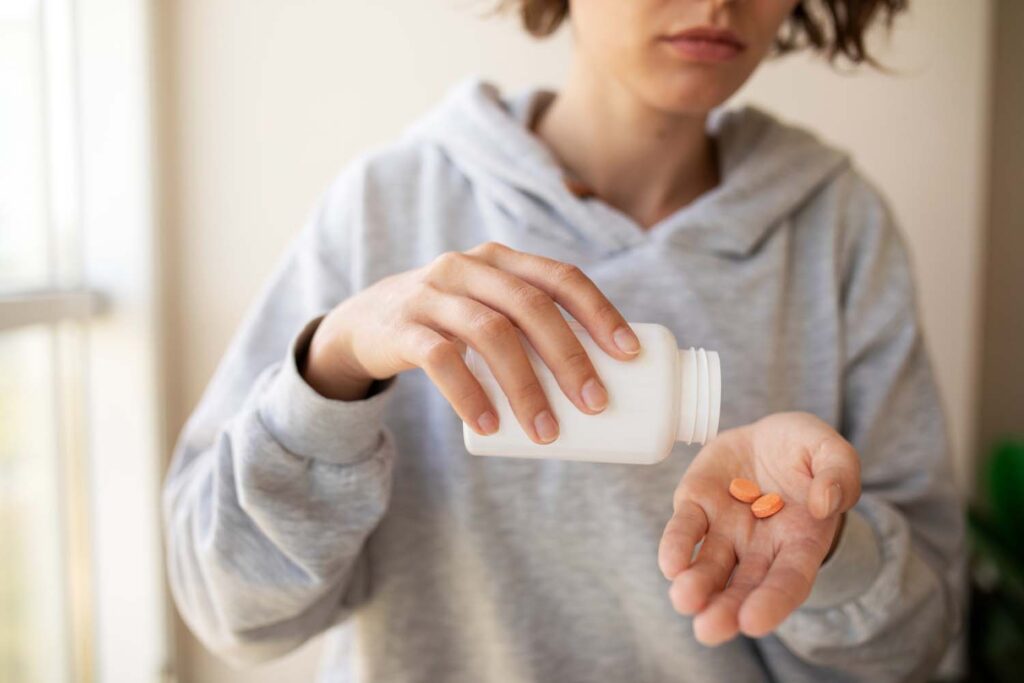
Herbal and nutritional supplements can support wellness, but combining them with prescription medicines can sometimes create serious risks. According to the National Center for Complementary and Integrative Health (NCCIH) and the FDA, nearly half of all adults who use supplements also take at least one medication, yet few realize how they may interact. These interactions can make drugs less effective—or dangerously strong.
Many people today take herbal or nutritional supplements alongside prescription or over-the-counter medicines—often believing that “natural” means “harmless.” Yet, as the National Center for Complementary and Integrative Health (NCCIH) and the FDA warn, combining supplements and medicines can lead to unexpected, even dangerous results.
In fact, nearly 50% of adults using supplements also take prescribed medication, and at least one in five risk a clinically significant interaction. The problem? Most users never tell their doctor about their supplement habits.
This guide from Immunesupp.com explains which combinations are safe, which are risky, and how to achieve natural synergy between science and supplements backed by real studies from NIH, Cleveland Clinic, and other respected institutions.
How Supplement–Drug Interactions Work
Interactions occur when two products influence how the body absorbs, processes, or reacts to each other.
They are classified into two main types :
- Pharmacokinetic interactions – Herbs change how the body absorbs or metabolizes medications (often involving liver enzymes such as CYP3A4).
- Pharmacodynamic interactions – Herbs amplify or block the drug’s intended effect (for example, altering blood pressure or clotting).
For example, St. John’s Wort reduces the effectiveness of antidepressants and birth control by inducing CYP enzymes. Conversely, grapefruit juice blocks these same enzymes—causing excessive drug concentration in the blood.
Risky Combinations You Should Avoid
| Supplement | Unsafe With | Mechanism | Effect |
|---|---|---|---|
| St. John’s Wort | Antidepressants, birth control, HIV meds | Induces CYP3A4 | Drug failure or serotonin syndrome |
| Ginkgo biloba | Warfarin, aspirin | Reduces platelet function | Internal bleeding |
| Ginseng | Warfarin, insulin | Glucose regulation interference | Bleeding or hypoglycemia |
| Garlic (high dose) | Blood thinners | Anticoagulant synergy | Bleeding risk |
| Turmeric (Curcumin) | Anticoagulants, diabetes, chemo | Inhibits platelet aggregation | Excess bleeding, therapy imbalance |
| Moringa oleifera | Sitagliptin, thyroid or BP meds | Boosts insulin sensitivity | Hypoglycemia or hormonal disruption |
| Licorice root | Diuretics, steroids, digoxin | Alters sodium-potassium balance | High BP, arrhythmia |
| Echinacea | Immunosuppressants | Stimulates immunity | Organ rejection risk |
| Kava | Sedatives, alcohol, antidepressants | CNS depression | Drowsiness, liver damage |
| Vitamin E (high dose) | Warfarin, aspirin | Enhances anticoagulant effect | Prolonged bleeding |
Clinical note: Individuals with chronic diseases—like cardiovascular, diabetic, or psychiatric conditions—are especially vulnerable. Studies from the Cleveland Clinic (2025) confirm serious risks when supplement use goes unreported.
Moringa: The “Miracle Tree” That Needs Care
Moringa oleifera is rich in vitamins A, B, and C, calcium, potassium, and amino acids. However, while moringa leaves are safe and nutritious, its bark and root extracts may interfere with diabetes and thyroid medications and can cause uterine contractions during pregnancy. Use leaf powder only, and avoid bark-based tinctures when on medication or pregnant.
Drugs That Require Extreme Caution
- Blood thinners (Warfarin, Aspirin) – unsafe with ginkgo, turmeric, or vitamin E.
- Antidepressants – dangerous with St. John’s Wort or Ginseng.
- Diabetes medications – affected by Moringa, Cinnamon, or Bitter melon.
- Antihypertensives – impacted by Licorice or Ginseng.
- Immunosuppressants – countered by Echinacea.
- Thyroid medication – avoid iron and calcium supplements within four hours.
When Supplements Work Well With Medicines
Some nutrients can actually make medicines work better. This is called nutrient–drug synergy—and it’s backed by research from NCCIH and Cleveland Clinic.
| Supplement | Used With | Synergy |
|---|---|---|
| Vitamin C | Iron supplements | Boosts absorption and prevents oxidation |
| Cranberry + Vitamin C | Urinary antibiotics | Prevents bacterial adhesion, supports urinary health |
| Coenzyme Q10 | Statins | Reduces muscle fatigue, supports heart energy metabolism |
| Probiotics | Antibiotics | Restores gut microbiome |
| Omega-3 | Cholesterol medication | Improves cardiac regulation, reduces triglycerides |
| Magnesium + B complex | Antidepressants | Enhances neurotransmitter function |
| Turmeric (low dose) | Joint-support or mild pain relief therapy | Works anti-inflammatory without NSAID risk |
Safe Supplement Use Rules (FDA–NIH Approved)
- Always tell your doctor about every supplement you take.
- Use regulated EU/GMP-certified products like Immunesupp.com’s range.
- Keep a 2-hour gap between medicines and supplements unless directed otherwise.
- Avoid “mega doses” or unlabelled herbal blends.
- Stop ginkgo, garlic, and turmeric at least one week before surgery.
FAQ — Safe Supplement and Medicine Use
Can I take Moringa with diabetes medication?
No, Moringa may cause dangerously low blood sugar when combined with antidiabetic drugs.
Which supplements are dangerous with warfarin?
Garlic, Ginkgo, Turmeric, and Vitamin E can over-thin the blood and increase bleeding risk.
Can supplements improve medicine absorption?
Yes. Vitamin C enhances iron uptake, probiotics restore gut flora after antibiotics, and CoQ10 supports statin users.
Are Immunesupp.com products drug-safe?
Yes. All formulations comply with European Food Safety Authority limits, produced under ISO & GMP standards.
Summary and Takeaway
-
“Natural” ≠ “Harmless.” Even herbs like moringa and turmeric can disrupt prescription therapy.
-
Talk to your doctor before taking any supplement with medication.
-
Use trusted, EU-compliant brands—like those available at Immunesupp.com—with measured ingredient transparency.
-
Leverage synergy safely: Vitamin C with iron, probiotic with antibiotics, and CoQ10 with statins are clinically supported examples.
Smart use of supplements protects both your body and your medicine’s effectiveness. Combining natural wellness with evidence-based dosing is the safest route to vibrant, balanced health.
Conclusion: Smarter Health Through Awareness
Natural supplements like Moringa, Ginkgo, or Turmeric offer numerous benefits, but “natural” doesn’t always mean safe. Combining them wisely with conventional treatments ensures both safety and better health outcomes. Always consult healthcare professionals, rely on transparent EU-certified supplements, and use synergy—like Vitamin C with Iron or CoQ10 with Statins—to empower your health journey the right way.
For balanced and lab-tested vitamins, explore our recommended collections:
References: NCCIH (NIH) Herb–Drug Guidance , FDA Drug Interaction Reports , Cleveland Clinic Insights (2025) , Guardian Pharmacy Advisory , American Academy of Family Physicians.