


Spring Is Coming—But So Are Allergies
For many people, spring is the season of renewal: longer days, greener parks, and a chance to finally open the windows. But for millions of others, the arrival of spring also means sneezing fits, itchy eyes, and a constant runny nose. This is seasonal allergic rhinitis, commonly known as “hay fever” or spring allergy.
If you’re one of the people who dreads the first warm days of the year, you’re not alone. In Europe, up to 1 in 4 adults is affected by spring‑time allergies, and the numbers are rising. The good news is that spring allergies are not some mysterious fate; they’re a very specific immune response to natural triggers that you can learn to manage—and even soften—before symptoms take over your life.
In this article, you’ll discover:
- What exactly causes spring allergies and why they hit every year.
- How different people suffer (with real‑life‑style examples).
- Why your immune system is both the problem and the solution.
- How the products on immunesupp.com can help you prepare for spring and reduce the worst of allergy symptoms.
What Causes Spring Allergies?
Spring allergies are usually triggered by allergens in the air—mainly pollen and mold spores—that your immune system wrongly interprets as dangerous invaders. When you inhale these harmless particles, your body overreacts, releasing a chemical called histamine, which is responsible for the classic symptoms: sneezing, runny nose, itchy eyes, and congestion.
Antihistamy preparations are treatments that can be found in pharmacies.
The Big Three Spring Trigger
1. Tree pollen
Trees such as birch, alder, ash, beech, and willow release vast amounts of ultra‑fine pollen in early spring. On warm, windy days, this pollen can float for miles and penetrate homes if windows are open.
In many regions, tree‑pollen season starts as early as February–March and peaks in April, making these months especially tough for allergic people.
2. Grass pollen
As spring moves into late spring and early summer, grass species like rye, Bermuda, Kentucky, and orchard grass become the main culprits.
Grass pollen tends to peak in May–June, so people who feel “fine” in April may still struggle badly in May and June.
3. Mold spores
Mold is less visible but just as irritating. In spring, warming and damp conditions cause mold spores to rise from decomposing leaves, compost piles, damp soil, and even indoor spaces like bathrooms and basements.
For some people, mold spores feel very similar to pollen: they trigger sneezing, congestion, and itchy eyes.
Other Contributors
- Weeds can also contribute, especially in late summer, but in some regions certain weeds already start releasing pollen in true spring.
- Indoor allergens such as dust mites, pet dander, and indoor molds can overlap with spring pollen, making some people feel allergic all year round.
Important: a person with spring allergies is often dealing not just with one pollen type, but a chain of triggers over several months, plus ongoing indoor allergens that keep the immune system on high alert.
Why Do People Suffer So Much from Spring Allergies?
Spring allergies are much more than just a bit of sneezing. For many, they seriously impact sleep, concentration, exercise, and even mental health. Here’s how different people typically experience spring‑time allergy:
1. The “Constant Sniffler”
Imagine someone who wakes up every spring morning with a stuffy nose, feels like they’re breathing through a straw, and has to blow their nose every 10–15 minutes. They carry tissues everywhere, feel embarrassed in meetings because they can’t stop sniffling, and their voice is often thick and nasal. This is classic allergic rhinitis.
Symptoms they suffer from:
- Runny or stuffy nose.
- Sneezing fits, especially in the morning or after going outside.
- Post‑nasal drip that makes them constantly cough or clear their throat.
2. The “Red‑Eyed Worker”
Another common type is the person who goes to work or school and feels like their eyes are burning. They rub their eyes constantly, only to discover that they’re turning red and puffy. This is allergic conjunctivitis, very often triggered by spring pollen.
How this plays out:
- Watery, itchy, red eyes.
- Blurred vision or “foggy” eyes from constant tearing.
- Sensitivity to light and discomfort in windy conditions.
3. The “Sleep‑Deprived Parent”
Parents are hit hard because allergies often start in childhood. A child who is itchy and irritable due to runny nose and sneezing may sleep poorly, which also affects their parents. Add to this nasal congestion that makes it hard to breathe through the night, and you’ve got a family‑wide chain of fatigue and low mood.
4. The “Exercise‑Hater”
Many people notice that they can’t exercise the way they used to in spring. They feel chest tightness, shortness of breath, or start coughing as soon as they run or jog. In some cases this is allergic asthma, where pollen triggers inflammation in the airways.
5. The “Hidden Allergy Sufferer”
Not everyone sneezes or wheezes. Some people experience:
- Headaches.
- Tiredness and brain fog.
- Skin itching or rashes when exposed to certain plants or grasses.
These symptoms can be mistaken for “stress” or “just being tired,” but they’re often driven by the same underlying immune‑overreaction to pollen and mold.
How the Immune System Fuels Spring Allergies
Understanding allergies means understanding the immune system. In a healthy immune response, the body learns to recognize threats like viruses and bacteria and develops a defense against them. With allergies, the system learns the wrong thing: it identifies harmless pollen as a dangerous invader.
Here’s a simplified version of what happens:
1. First exposure
The first time enough pollen enters the body, the immune system “sensitizes” itself: it creates allergy‑specific antibodies (mainly IgE) that attach to special cells called mast cells, mainly in the nose, eyes, lungs, and skin.
2. Later exposures
When the person is exposed again (for example, the next spring), those mast cells immediately release histamine and other inflammatory chemicals. This is what causes:
- Swelling in the nasal passages and eyes.
- Sneezing and mucus overproduction.
- Itching and redness.
From an evolutionary point of view, this might even be a kind of “over‑protection” mechanism: the immune system mistakes pollen for a harmful substance and launches a full‑scale defense. The problem is that the response is too strong and too frequent, turning the body’s own defense into a daily enemy.
Real‑Life Examples of Spring Allergy Suffering
To make this feel real, here are a few realistic scenarios that many readers will recognize:
Example 1: The Office Worker
Maria, 32, works in an open‑plan office in Helsinki. Every April, she notices that her eyes start to water within the first hour after arriving at work. She thinks it’s just “city dust” until a colleague comments that she’s constantly sneezing and blowing her nose. Maria starts using tissues by the pack, but her nose stays stuffy most of the day. She feels tired, has trouble concentrating, and notices that her headaches are worse than usual. She’s not sure it’s “allergies,” so she doesn’t change anything—until one day she wakes up with so much congestion she can’t sleep and finally books a doctor’s appointment.
This is classic seasonal allergic rhinitis fueled by spring tree pollen and possibly indoor molds or dust mites at work.
Example 2: The Jogger
Tom, 28, loves to run after work. He’s always felt fit and healthy, but every May he starts to feel that his chest feels tighter when he runs. He begins coughing during and after his runs, and his throat feels scratchy. He assumes he’s “out of shape” or has a mild cold, but the symptoms come back every spring. Eventually he sees an allergist and learns he has allergic asthma triggered by grass pollen.
This shows how spring allergies can mimic other conditions and quietly limit someone’s lifestyle every year.
Example 3: The Parent and Child
Lena and her 7‑year‑old son, Noah, both suffer from sneezing and itchy eyes once temperatures rise. Noah also has eczema‑like rashes on his arms after playing in the grass. They notice that their symptoms worsen on dry, windy days and improve on rainy days. Lena tries over‑the‑counter medicines but is worried about side effects and long‑term use.
This is a classic family‑wide spring‑allergy pattern, often involving pollen, dust mites, and sometimes food sensitivities or skin‑barrier issues.
What Can Help Before and During Spring Allergy Season?
Modern medicine offers several tools:
- Antihistamines block histamine and reduce sneezing, runny nose, and itchy eyes.
- Nasal corticosteroid sprays reduce nasal inflammation and are often recommended as first‑line treatment for allergic rhinitis.
- Saline rinses can help clear pollen from the nasal passages.
- Allergy‑specific eye drops ease red, itchy eyes.
But there is another layer: supporting the immune system itself so that it doesn’t overreact every spring. This is where dietary supplements and allergy‑specific natural products come into play—and where immunesupp.com can make a real difference for our readers.
How Your Immunesupp.com Products Can Help with Spring Allergies
If you visit the “Allergy” section on immunesupp.com, you’ll find several products aimed at people whose immune system is in a perpetual “over‑defense” mode, exactly what happens in spring allergies. Let’s see how they can fit into a spring‑allergy support plan.
1. Organic Allermin® – Natural Tolerance Booster with Perilla Leaf Extract
Perilla leaf extract is a traditional plant known for its anti‑inflammatory and antihistamine‑like activity. It may help:
- Modulate the immune response to allergens.
- Reduce histamine‑related symptoms like sneezing, runny nose, and itching.

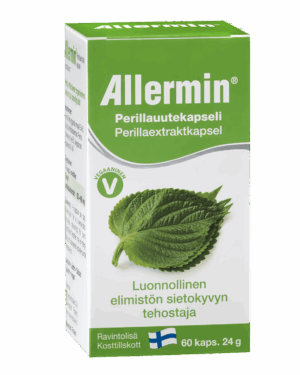
For someone who wants to start “prepping” their immune system before spring begins, Organic Allermin® can be a gentle, natural starting point. It’s especially attractive if your visitors are looking for something that is not a classic pharmaceutical antihistamine but still research‑oriented.
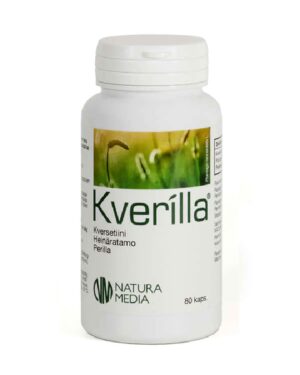
2. Kverilla (80 capsules)
Kverilla is a product that focuses on calming the immune system’s over‑reaction. Although the exact composition is not fully detailed on the site, similar products with plant‑based bioflavonoids and immune‑modulating compounds are often used to:
- Reduce airway and nasal inflammation.
- Support the body’s ability to tolerate pollen and other allergens without over‑reacting.
3. Pycnogenol® Products (Gels, Mouth Spray, Tablets)
Pycnogenol is a pine‑bark extract rich in proanthocyanidins, which have strong antioxidant and anti‑inflammatory properties. On immunesupp.com you offer:
- Pycnogenol® Gel Strong 1%
- Pycnogenol® Gel
- Pycnogenol® Mouth Spray
- Pycnogenol® Strong 40 mg tablets
- Bio-Pycnogenol, 120 tabl.
- Pine bark extract, 60 tabl.
- Pinena Immune Support, 45 caps.
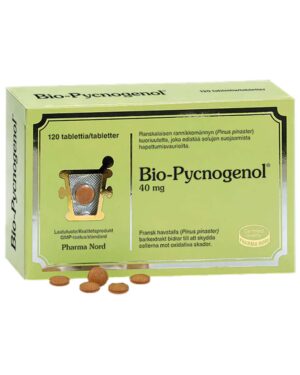
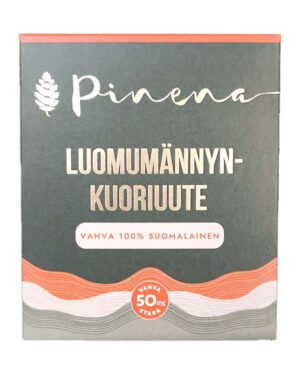
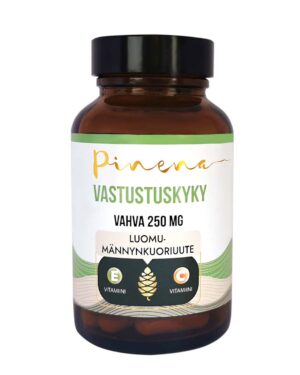
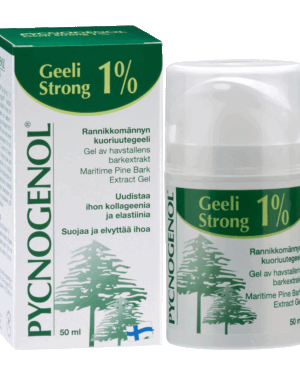
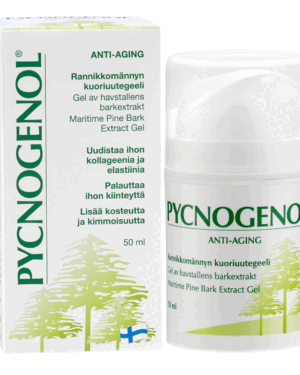
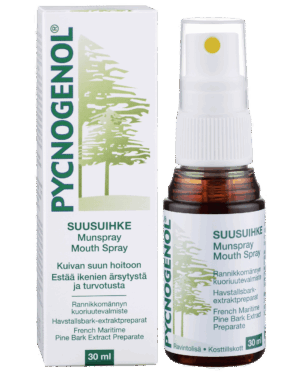
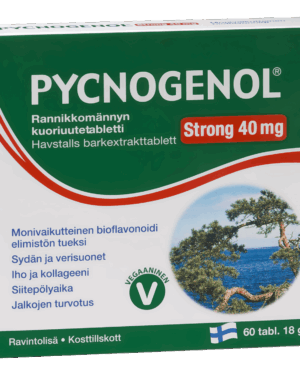
These products can be explained as:
- Helping to reduce inflammation in the nasal passages and mucous membranes.
- Supporting the blood vessels and tissues that become irritated during allergy season. “Pycnogenol‑based products may be especially useful for people who have chronic nasal congestion, red eyes, or skin irritation linked to allergies.
4. Antibacterial, Antifungal Oil (Candimin), 10 ml
Although Candimin is marketed as antibacterial and antifungal, it can be relevant for allergy sufferers who also deal with damp environments, mold, or irritated skin.
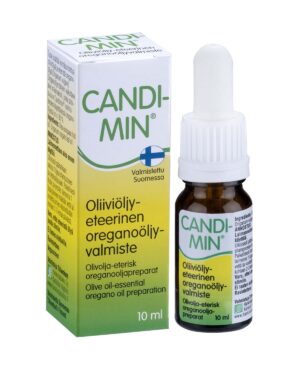

- Applying it to itchy or irritated skin after outdoor exposure.
- Using it in a diffuser or local environment to help keep the air cleaner (always following safety instructions).
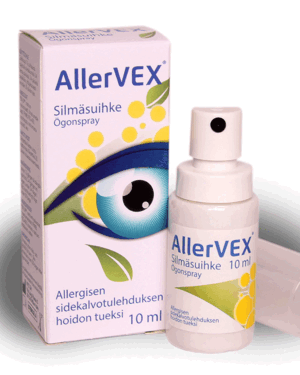
5. AllerVex Eye Spray, 10 ml
Eye allergies are one of the most common spring‑time complaints. AllerVex Eye Spray is a targeted product for the eyes, which can:
- Soothe itchy, red, watery eyes.
- Provide relief without the systemic effects of oral antihistamines, which some people want to avoid.
If you’re tired of red, itchy eyes every spring, try AllerVex Eye Spray.
Histamine‑Balance & Immune Support
Vitacell NAC + Quercetin + C is a triple‑action formula designed to support histamine balance and immune tolerance during allergy season.
- Quercetin helps stabilise mast cells involved in histamine release.
- Vitamin C supports the natural breakdown of histamine and reinforces antioxidant defenses.
- N‑acetylcysteine (NAC) boosts glutathione and may help modulate inflammatory and oxidative stress associated with allergic responses.
Together, these ingredients can help support a calmer immune reaction to common allergens, making it a useful addition to a spring‑allergy support plan.
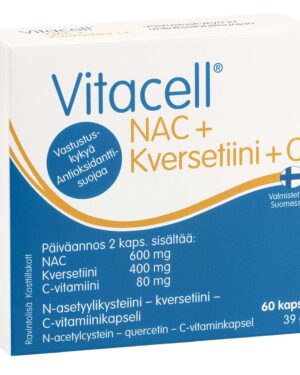
While NAC is not a classic antihistamine, it creates a supportive background where quercetin and vitamin C can work more effectively and safely. Some sources even recommend taking NAC with quercetin and vitamin C specifically to support detox pathways and immune balance.
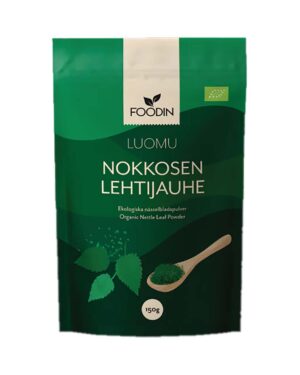
Organic Nettle Leaf Powder – Natural Antihistamine Support
Organic Nettle Leaf Powder from Finland offers a natural way to support your body during hay fever season and everyday allergy relief. Made from wild-grown nettles, this nutrient-dense superfood acts as a traditional natural antihistamine to help ease sneezing, runny nose, itchy eyes, and other seasonal discomforts without drowsiness.
Why choose Organic Nettle Leaf Powder?
- Natural antihistamine properties for hay fever relief
- Organic and wild-crafted from Finland
- Rich in vitamin C, vitamin K, calcium, iron and antioxidants
- Supports seasonal allergy symptoms like sneezing and nasal irritation
- Non-drowsy daily allergy support
- Perfect addition to smoothies, teas, or recipes
A Dedicated “Spring Allergy Support Kit
Pre‑packaged bundle, a full spring‑allergy support plan that includes:
- Organic Allermin® (for immune tolerance).
- A Pycnogenol® tablet or gel (for anti‑inflammatory support).
- AllerVex Eye Spray (for eye symptoms).
Click here to grab it.