
Vitamin A
Vitamin A is a fat-soluble vitamin that is found naturally in many foods. Vitamin A is essential for appropriate vision, immunological function, reproduction, and growth and development. Vitamin A also helps your heart, lungs, and other organs function properly.


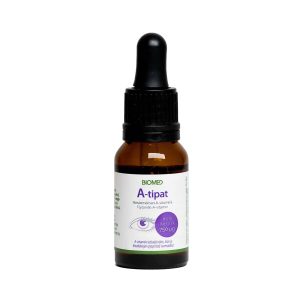
Adult men should take 900 microgrammes (mcg) of vitamin A per day, while adult women should take 700 mcg.
Vitamin A, as an oral supplement, is most beneficial to persons who have a poor or limited diet or who have a condition that raises vitamin A requirements, such as pancreatic illness, eye disease, or measles.
If you take vitamin A for its antioxidant effects, keep in mind that the supplement may not be as effective as naturally occurring antioxidants in diet.
According to the researches Vitamin A is beneficial for the following conditions
Age-related macular degeneration. A big clinical experiment found that eating a specific combination of vitamins containing beta-carotene lowered the incidence of advanced age-related macular degeneration by 25%. It’s unclear what role beta-carotene played.
Acne. Large amounts of oral vitamin A supplements do not appear to improve acne.
Cancer. It is unknown whether taking vitamin A supplements reduces the incidence of lung, prostate, and other cancers.
Measles. Vitamin A supplements are indicated for children who have measles and are at a higher risk of vitamin A insufficiency.
According to research, supplementation may minimise measles-related deaths.
Vitamin A deficiency. People with low vitamin A levels seem to benefit the most from vitamin A supplementation. Vitamin A insufficiency results in anaemia and dry eyes.