
Probiotics for Immune Support
Discover targeted probiotic supplements designed to support your gut microbiome and overall immune function. Our range features strain‑specific formulas with transparent CFU counts, third‑party testing where available, and clear usage guidance. Whether you’re looking for daily maintenance, travel‑friendly capsules, or higher‑strength synbiotic powders, you’ll find options suited to different lifestyles and goals. All products are selected to meet high standards for quality, stability, and ingredient transparency. Read on to learn how to choose the right probiotic and use it safely as part of your immune‑support routine.
Why probiotics matter for immune health
Probiotics are live microorganisms that, when taken in adequate amounts, can help maintain a balanced gut microbiome—an important factor in normal immune function. Many immune‑support probiotics combine specific strains (for example Lactobacillus and Bifidobacterium) with prebiotics or postbiotics to create a synbiotic formula aimed at digestive comfort and overall resilience.
On this page you’ll find probiotic supplements selected for:
- Clearly labelled CFU counts and strain names
- Formulas focused on daily immune and gut support
- Transparent ingredient lists and third‑party testing where available
How to choose the right probiotic
Use this section to quickly narrow down what matters for your goals.
Strain specificity
Look for products that name the exact strains (e.g. Lactobacillus acidophilus LA‑5, Bifidobacterium lactis BB‑12) rather than just the species. Different strains have different research behind them and may support different aspects of gut and immune health.
CFU count and dosing
- CFU (colony‑forming units) indicate how many viable bacteria are in each dose.
- Effective daily doses in studies often range from 1–20 billion CFU for general support, but optimal amounts depend on the formula and your needs.
- Check whether the CFU count is guaranteed at manufacture or through expiry.
Formulation type
- Capsules/tablets: convenient, stable, easy to dose.
- Powders/sachets: useful for higher CFU or for mixing into drinks.
- Refrigerated vs shelf‑stable: some strains need cool storage; follow label instructions to maintain potency.
Additional ingredients
Many immune‑focused probiotics also include:
- Prebiotics (e.g. inulin, FOS) to feed beneficial bacteria
- Postbiotics or fermentation by‑products
- Immune‑support nutrients such as vitamin C, vitamin D, or zinc (always check total daily intake if you use multiple supplements)
Our probiotic range for immune support
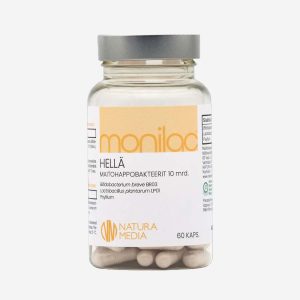



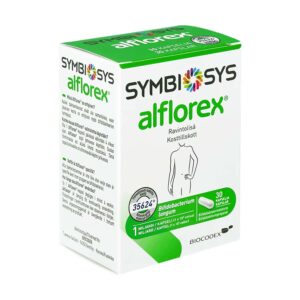
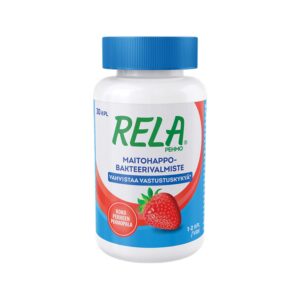




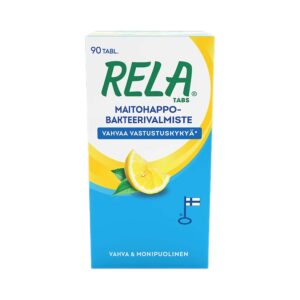
- Daily Immune Probiotic Complex – Multi‑strain formula with Lactobacillus and Bifidobacterium species, designed for everyday gut and immune support.
- High‑CFU Synbiotic Powder – Higher‑strength probiotic + prebiotic blend for those who prefer powders or need flexible dosing.
- Travel & Immunity Probiotic – Compact, shelf‑stable capsules formulated for people on the move who still want daily microbiome support.
- Women’s Immune & Gut Probiotic – Strain profile selected with women’s health and immune function in mind (check label for strain details and CFU).
How to use probiotics safely
- Follow the label. Take the recommended serving size with water or as directed, usually with or just before a meal.
- Consistency matters. Probiotics work best when taken daily over weeks rather than sporadically.
- Storage. Some products require refrigeration; others are shelf‑stable. Always follow the storage instructions to maintain CFU viability.
- Medications and conditions. If you are immunocompromised, critically ill, pregnant, breastfeeding, or on immunosuppressive therapy, speak with a healthcare professional before starting any probiotic.
Frequently asked questions
What are probiotics?
Probiotics are live microorganisms that may confer a health benefit when consumed in adequate amounts, particularly by supporting a balanced gut microbiome.
Can probiotics support immune function?
A balanced gut microbiome is involved in normal immune function, and certain probiotic strains have been studied for their role in supporting immune health alongside a healthy lifestyle. Probiotics are not a substitute for medical treatment or vaccination.
How long does it take to notice effects?
Responses vary. Some people report changes in digestive comfort within 1–2 weeks; immune‑related benefits are generally considered part of longer‑term support rather than immediate effects.
Do I need to refrigerate my probiotic?
It depends on the product. Some strains and formulations require refrigeration, while others are designed to be shelf‑stable. Always check the label and store as instructed.
Can I take probiotics with antibiotics?
Probiotics are often taken alongside or after antibiotic courses to help support gut balance, but timing can matter. Ask your healthcare provider for personalised advice on spacing doses.
Science and transparency
We aim to meet Google’s YMYL (Your Money or Your Life) expectations for supplement content by providing clear, referenced information and transparent product data.
- Ingredient transparency: Full ingredient lists with amounts (no hidden proprietary blends).
- Third‑party testing: Where available, products display certifications such as GMP, NSF, or equivalent quality marks.
- Expert review: Educational content on this site is reviewed by qualified professionals with relevant health and nutrition backgrounds.
- References: We cite peer‑reviewed research and authoritative sources (e.g. PubMed, FDA, EFSA) where claims are made.
Important disclaimer
These statements have not been evaluated by the Food and Drug Administration (or equivalent local authority). This information is for educational purposes only and is not intended to diagnose, treat, cure, or prevent any disease. Probiotic supplements are not a substitute for a varied diet, healthy lifestyle, or medical advice.
If you have a medical condition, are taking medication, are pregnant or breastfeeding, or are considering supplements for a child, consult a qualified healthcare professional before use.