Introduction
When people talk about immune health, they often use the word “boost” as if the immune system were a muscle you can simply make stronger at will. In reality, the immune system is much more complex than that. It is not just about fighting germs; it is also about knowing when to respond, when to calm down, and when to avoid attacking the body’s own healthy tissues.
That is why the best way to think about immunity is not “more is better,” but balance is better.
Your immune system protects you from viruses, bacteria, and other threats, but it also has to make decisions every second of the day. If it reacts too weakly, infections may take hold more easily. If it reacts too strongly, it can contribute to inflammation, autoimmune reactions, or other forms of tissue damage. This balance is one of the most important ideas in modern immune health.
At immunesupp.com, we believe immune support should be explained in a way that is both scientifically responsible and practical for everyday life. That means going beyond marketing language and helping readers understand what immunity really is, what supports it, what can harm it, and how different supplements work in different ways.
This article is designed to do exactly that.
What immunity really means
The immune system is your body’s defense and repair network. It includes physical barriers such as the skin and mucous membranes, immune cells that patrol the body, signaling molecules that coordinate responses, and memory systems that help recognize threats faster the next time.
In simple terms, immunity does three major jobs:
- It detects threats.
- It responds to threats.
- It returns to balance after the threat is gone.
That third step is often forgotten. People tend to focus on attack, but the real brilliance of the immune system is in regulation. A healthy immune response is not one that is always turned on. It is one that turns on at the right time, does its job effectively, and then turns off properly.
This is why immune health is connected to many other parts of wellness. Sleep, stress, diet, movement, hydration, vitamin status, and recovery all influence how the immune system behaves. When one of these factors is consistently poor, the immune response can become less efficient or less balanced.
Why “more immunity” is not always better
A common myth is that a stronger immune system is always a better immune system. That sounds logical, but it is not true in real biology.
An immune system that is too weak can fail to clear infections effectively. But an immune system that is too active can also cause problems. It may create excessive inflammation, misread harmless substances as threats, or attack the body’s own tissues. This is the basic idea behind allergies and autoimmune conditions.
In other words, immune health is not just about “turning the dial up.” It is about keeping the dial in the right range.
This becomes especially important when people are sick. During infections such as COVID-19, the immune system does not simply “fight the virus.” It can also trigger inflammation that becomes part of the illness itself. In severe cases, the body’s own inflammatory response may contribute to more damage than the virus alone. That is one reason doctors are careful when discussing immune support: the goal is not to stimulate the immune system indiscriminately, but to support a healthy and appropriate response.
This nuance matters. It is also why many doctors avoid the phrase “immune boosting” unless they are speaking casually. In medical terms, the better idea is immune balance, immune regulation, and normal immune function.
Common myths about immunity
There is a lot of confusion online about immunity. Some of it is harmless, but some of it can create unrealistic expectations or even risky choices. Let’s clear up a few of the biggest myths.
Myth 1: A strong immune system means no illness.
No immune system can guarantee that a person never gets sick. Even healthy people can get colds, flu, or other infections. The goal is not perfection. The goal is to reduce risk, recover well, and maintain resilience over time.
Myth 2: Supplements can replace healthy habits.
Supplements can be useful, but they do not replace sleep, nutrition, exercise, or stress management. A capsule cannot compensate for chronic sleep deprivation, high stress, or a very poor diet. Immune support works best when it fits into an overall healthy routine.
Myth 3: If a little is good, more is better.
This is a dangerous assumption in immune health. More does not always mean better. With immune-active ingredients, too much stimulation may not be appropriate for everyone, especially those with autoimmune issues or those taking medications that suppress the immune system.
Myth 4: All immune products work the same way.
They do not. Some products provide basic nutrients such as vitamin D, vitamin C, or zinc. Others support the gut microbiome. Some work through beta-glucans. Others focus on mushroom-derived compounds such as AHCC. These approaches are different, and that difference matters.
Myth 5: If a product is natural, it is automatically safe for everyone.
Natural ingredients can still be powerful. A product being plant-based, mushroom-based, or “clean label” does not automatically mean it is suitable for every person. Sensitivities, medications, pregnancy, breastfeeding, and underlying conditions all matter.
What actually supports immune function
A healthy immune system depends on the whole body. There is no single miracle ingredient. But there are several evidence-based foundations that help the immune system function normally.
Sleep
Sleep is one of the most important immune-support factors. During sleep, the body regulates inflammation, repairs tissue, and coordinates immune signaling. Poor sleep can make the body less resilient over time.
Nutrition
The immune system needs adequate protein, vitamins, minerals, and energy to work properly. If someone is undernourished or missing key nutrients, immune function may suffer.
Vitamin D
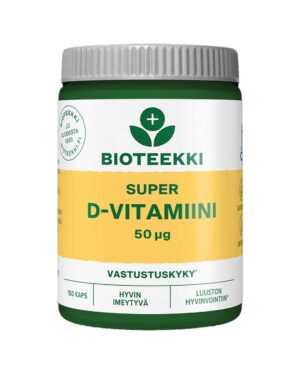
Vitamin D is especially important because it helps regulate normal immune function. It is not a magic shield, but low levels are associated with weaker immune resilience. This is one reason vitamin D is often included in immune-support formulas.
Stress management
Long-term stress can affect immune regulation. The immune system and nervous system are closely connected, so chronic stress can influence how the body responds to challenges.
Movement
Moderate physical activity supports circulation, metabolic health, and overall resilience. It helps the body function as a system rather than treating immunity as a separate isolated process.
Gut health
The gut and immune system are closely linked. A large part of immune activity is connected to the digestive tract, microbiome, and intestinal barrier. That is why probiotics and certain fibers or beta-glucans are often discussed in immune support.
Product review: Immunomax AHCC
Immunomax AHCC is a premium mushroom-based dietary supplement made from shiitake mycelium extract. It stands out because it is not a simple vitamin formula. It represents a more specialized approach to immune support.
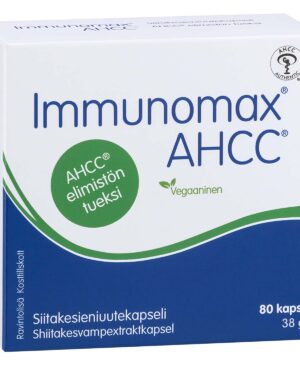
AHCC is one of the better-known mushroom-derived immune ingredients. It is a standardized extract produced through a special culturing process, and it has been studied for its possible influence on immune cells such as natural killer cells and T cells. This makes it especially interesting for people who want a more advanced immune-support product.
What makes it different
The key difference with AHCC is that it is not mainly about replacing a nutrient deficiency. Instead, it is about immune modulation. That means it may help influence how the immune system responds, rather than simply supplying a vitamin or mineral.
This is important because people often think all immune supplements work by “strengthening” the system in the same way. AHCC is different. It is better described as a targeted immune-support ingredient with a scientific profile that has attracted interest in both human and animal research.
Why people may choose it
People may be drawn to Immunomax AHCC because it is:
- Based on a well-known Japanese mushroom extract.
- Clean-label and vegetarian-friendly.
- Free from gluten, lactose, added sweeteners, and yeast.
- Convenient to use in capsule form.
- Positioned as a premium product with a focused story.
This makes it a compelling option for customers who want more than a generic immune supplement.
Honest interpretation
At the same time, it is important to stay balanced and careful. AHCC is interesting, but it is not a miracle cure. It should not be presented as a treatment for disease or as a substitute for medical care. The most responsible way to describe it is that it may support immune function and immune regulation, while the exact benefits can vary from person to person.
That honest tone is actually a strength. Readers trust brands that are precise and realistic.
Product review: Vitatabs Immune Support
Vitatabs Immune Support takes a very different approach. It combines beta-glucan from Euglena gracilis algae with vitamin D3 from lichen. This makes it a more everyday immune-support formula, especially for people who want a vegan, clean, simple product.
If AHCC is the specialized, targeted option, Vitatabs is the daily foundation option.
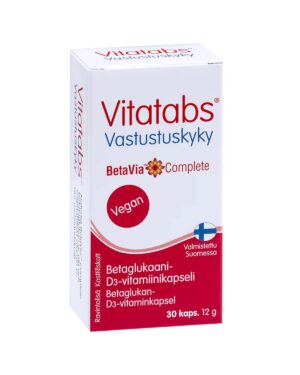
Why beta-glucan matters
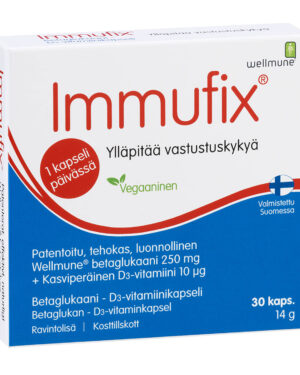
Beta-glucans are natural polysaccharides that are widely studied in immune research. They are often discussed because of their ability to influence immune signaling. They are not the same thing as vitamins or minerals, and they do not work in the same way as AHCC either.
This matters because readers often want to know not just whether a product is “good for immunity,” but how it works. Beta-glucan is a good example of an ingredient that works through a different route than basic nutrition. It is often associated with immune recognition and signaling rather than with simple deficiency correction.
Why vitamin D3 matters
The inclusion of vitamin D3 gives Vitatabs another important advantage. Vitamin D contributes to normal immune function, and many people do not get enough of it, especially during darker seasons or in places with limited sun exposure. For readers in Northern Europe, this makes a lot of sense.
So the formula is doing two things at once:
- Supporting the immune system with beta-glucan.
- Supporting normal immune function with vitamin D3.
Who it may suit.
Vitatabs may be especially attractive to people who want:
- A vegan immune-support formula.
- A daily supplement for seasonal support.
- A product that feels simple and practical.
- A formula that combines immune-related ingredients in one product.
Honest interpretation
Again, the best approach is not to oversell it. Vitatabs is not a magic shield against infections. It is a thoughtful, everyday support formula that may fit well into a healthy routine.
How Immunomax and Vitatabs differ
Although both products are positioned around immune support, they are not the same kind of product at all.
Immunomax AHCC is more specialized and more focused on mushroom-derived immune modulation. Vitatabs Immune Support is more of a daily nutrient-plus-beta-glucan formula.
That difference can be useful for readers because it helps them choose based on their goals:
- If they want a more specialized, advanced immune-support ingredient, Immunomax AHCC may appeal to them.
- If they want a daily plant-based immune-support formula with vitamin D, Vitatabs may be the better fit.
These products are not competing copies of each other. They are different tools.
Other immune-support products with different mechanisms
To make the article more useful and complete, it helps to mention a few other immune-support products that work differently from AHCC and beta-glucan.
Vitamin C and zinc
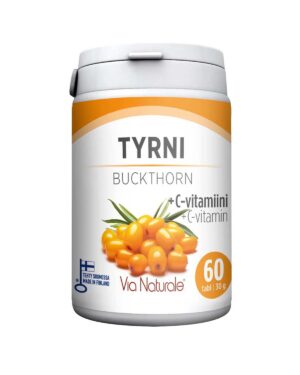
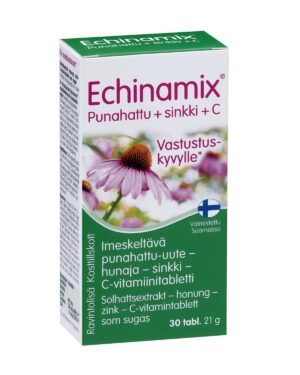
Vitamin C and zinc are classic immune-support nutrients. They do not work like AHCC or beta-glucan. Instead, they support normal immune cell function, antioxidant protection, and recovery processes.
These products are especially familiar to readers because many people already recognize them as part of seasonal wellness routines. They are a good example of basic nutrient support.
Probiotics
Probiotic products focus on the gut-immune connection. Since a major part of immune activity is connected to the digestive system, probiotics can be a very different and useful category for immune support.
Rather than directly stimulating immune cells, probiotics may support the microbiome and help maintain a healthy intestinal environment. This is a more indirect but important pathway.
Omega-3 fatty acids
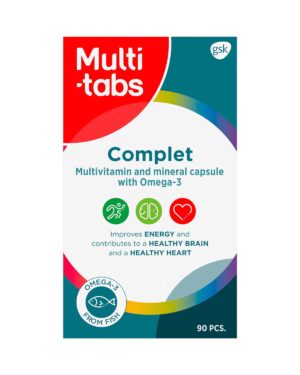
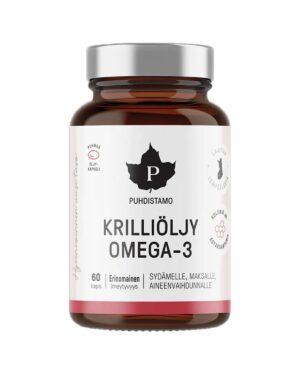
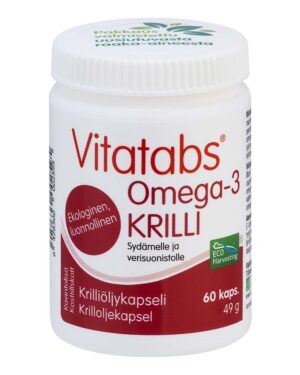
Omega-3 products work in yet another way. Their main strength is helping support inflammation balance. They are not usually described as immune stimulants. Instead, they may help the body maintain a healthier inflammatory response.
This makes omega-3s especially interesting for readers who want immune support in the context of whole-body wellness and inflammation control.
Practical habits that really matter
Supplements are useful, but the foundation of immune health is still lifestyle. Readers often appreciate practical advice that they can act on immediately.
Prioritize sleep
Try to get consistent, high-quality sleep. Even a good supplement will not fully compensate for poor sleep habits.
Eat a balanced diet
Protein, vegetables, fruits, whole foods, and enough calories all matter. The body cannot build or regulate well without fuel.
Stay active
Regular movement supports circulation and overall health. It does not need to be extreme. Consistency matters more than intensity.
Manage stress
Chronic stress can affect immune balance. Even simple steps like walking, breathing exercises, time outdoors, and reducing overload can help.
Support vitamin D status
Especially in countries with less sun, vitamin D status should not be ignored. A supplement may be useful if intake or sun exposure is low.
Use supplements wisely
Supplements should support the body, not replace healthy habits. The best results usually come from combining lifestyle and targeted supplementation.
When to be careful
Immune-active supplements are not suitable for everyone. People with autoimmune conditions, people taking immunosuppressant medication, pregnant or breastfeeding women, and anyone with a serious health condition should be cautious and speak with a healthcare professional before starting a new immune-support supplement.
The right way to think about immune support
The healthiest way to think about immune support is this:
- The immune system should be active when needed.
- It should be calm when not needed.
- It should recover properly after each challenge.
- It should be supported by sleep, diet, movement, and the right nutrients.
- It should not be pushed blindly.
Final thoughts
Immunity is not about being constantly activated. It is about balance, flexibility, and resilience. A healthy immune system knows how to defend the body without causing unnecessary harm, and that is why immune support should be thoughtful rather than extreme.
Immunomax AHCC and Vitatabs Immune Support each offer a different approach. AHCC represents a more specialized mushroom-based immune-modulation strategy, while Vitatabs offers a daily plant-based formula built around beta-glucan and vitamin D3. Both can be explained clearly and honestly when the focus is on normal function rather than exaggerated promises.
Support your immune system in ways that make sense for your body, your lifestyle, and your needs. Do not chase “boosting” as a slogan. Choose balance, consistency, and credible support instead.
FAQ
What is the immune system?
The immune system is the body’s defense and repair network. It detects threats, responds to them, and returns to balance afterward.
Is it good to boost the immune system?
Not always. A healthier goal is immune balance, because too much immune activity can also cause problems such as inflammation or autoimmune reactions.
What is AHCC?
AHCC is a proprietary mushroom extract from shiitake mycelium that is marketed for immune support. It has been studied, but evidence is still not strong enough to make broad medical claims.
What is beta-glucan?
Beta-glucan is a natural compound studied for immune signaling and support. It is often used in products designed for daily immune health.
Why is vitamin D important for immunity?
Vitamin D helps support normal immune function, and NIH notes that low levels may be linked to higher respiratory infection risk.
Are immune supplements safe for everyone?
No. People with autoimmune disease, people on immunosuppressant medication, and pregnant or breastfeeding women should talk to a healthcare professional first.
Suggested call to action
Support your immune system with products that respect how the body really works. Explore Immunomax AHCC for a specialized mushroom-based approach or Vitatabs Immune Support for a daily vegan formula with beta-glucan and vitamin D3.,